Diwali Decor: How to Style a Home or Hall for the Festival of Lights
A practical guide to Diwali decor for BC homes and halls: diyas, rangoli, marigolds, lighting and table styling for the Festival of Lights, explained.

Priya Iyer
South Asian Weddings Editor
11 min read
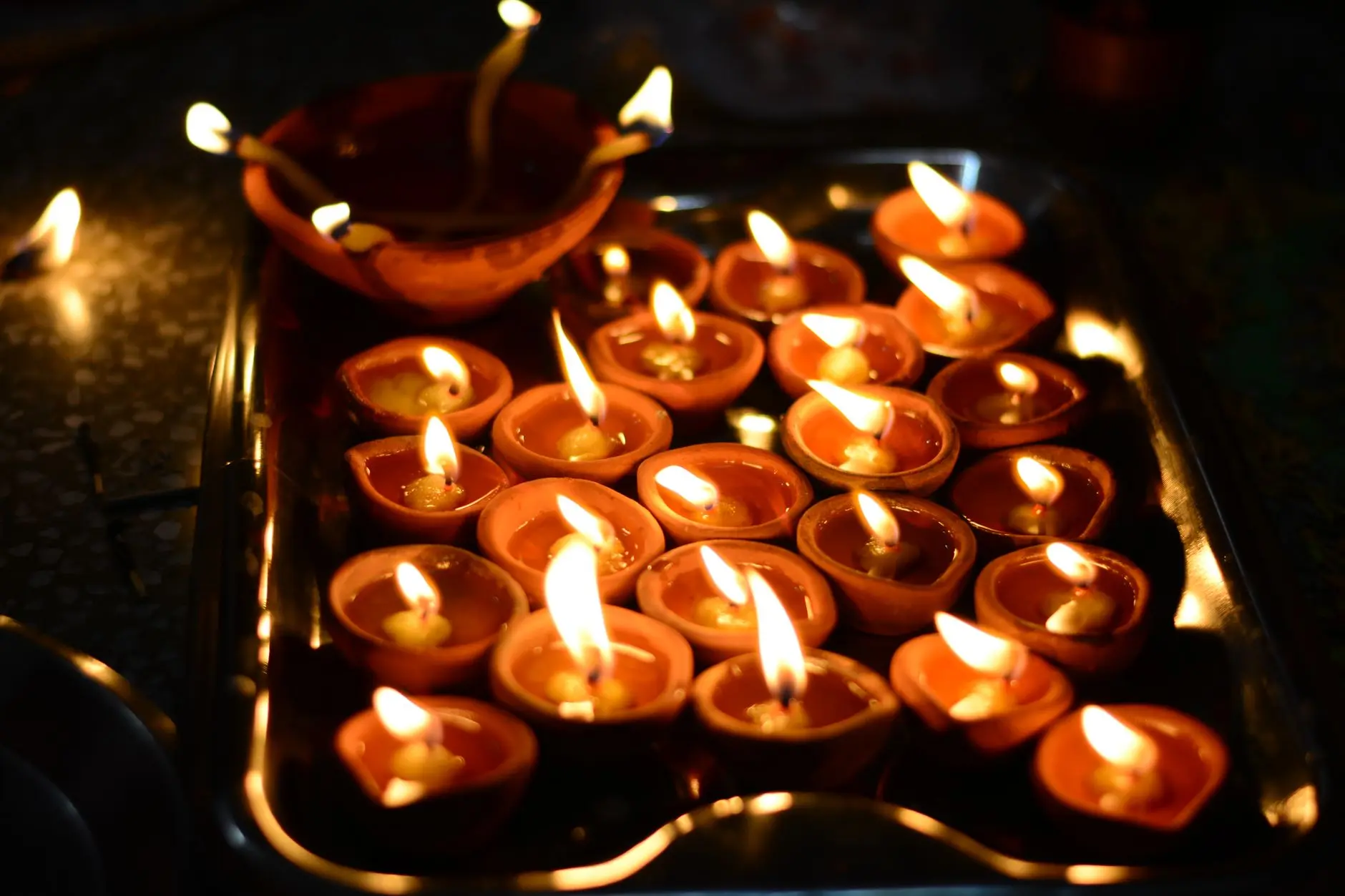
Diwali decor turns a home, a gurdwara or mandir hall, or a rented banquet room into a space built around one idea: light pushing back the dark. The festival falls on November 8 in 2026, which in British Columbia means early sunsets, cool air, and the kind of long evening that makes a row of lit diyas or a string of warm bulbs feel like exactly the right thing. Families across Metro Vancouver, the Fraser Valley and the Okanagan spend the days before Diwali cleaning, shopping for sweets and new clothes, and setting up the small, specific details that make a home ready to welcome guests, and, for many, welcome the goddess Lakshmi across the threshold.
Diwali is a cluster of related observances across five days, celebrated differently by Hindu, Jain and Sikh families, and differently again depending on whether a family traces its roots to North India, South India, Gujarat or Punjab. This guide walks through what the festival marks, how the five days unfold, and how BC families translate that into decor at home and at larger community gatherings, with practical guidance that suits BC weather, building codes and halls.
What does Diwali celebrate?
At its core, Diwali (also spelled Deepavali) marks the victory of light over darkness and good over evil. The specific story attached to that idea depends on region and community. In much of North India, Diwali marks Lord Rama's return to Ayodhya after 14 years of exile and his victory over the demon king Ravana, with rows of oil lamps (diyas) lit to guide him home. In parts of South India, the festival centres on Lord Krishna's defeat of the demon Narakasura the day before. Many Hindu families also mark the main night of Diwali with Lakshmi Puja, inviting the goddess of prosperity into a freshly cleaned, brightly lit home. Jain families observe Diwali as the anniversary of Lord Mahavira's attainment of moksha, or spiritual liberation.
How Sikh families mark this time of year
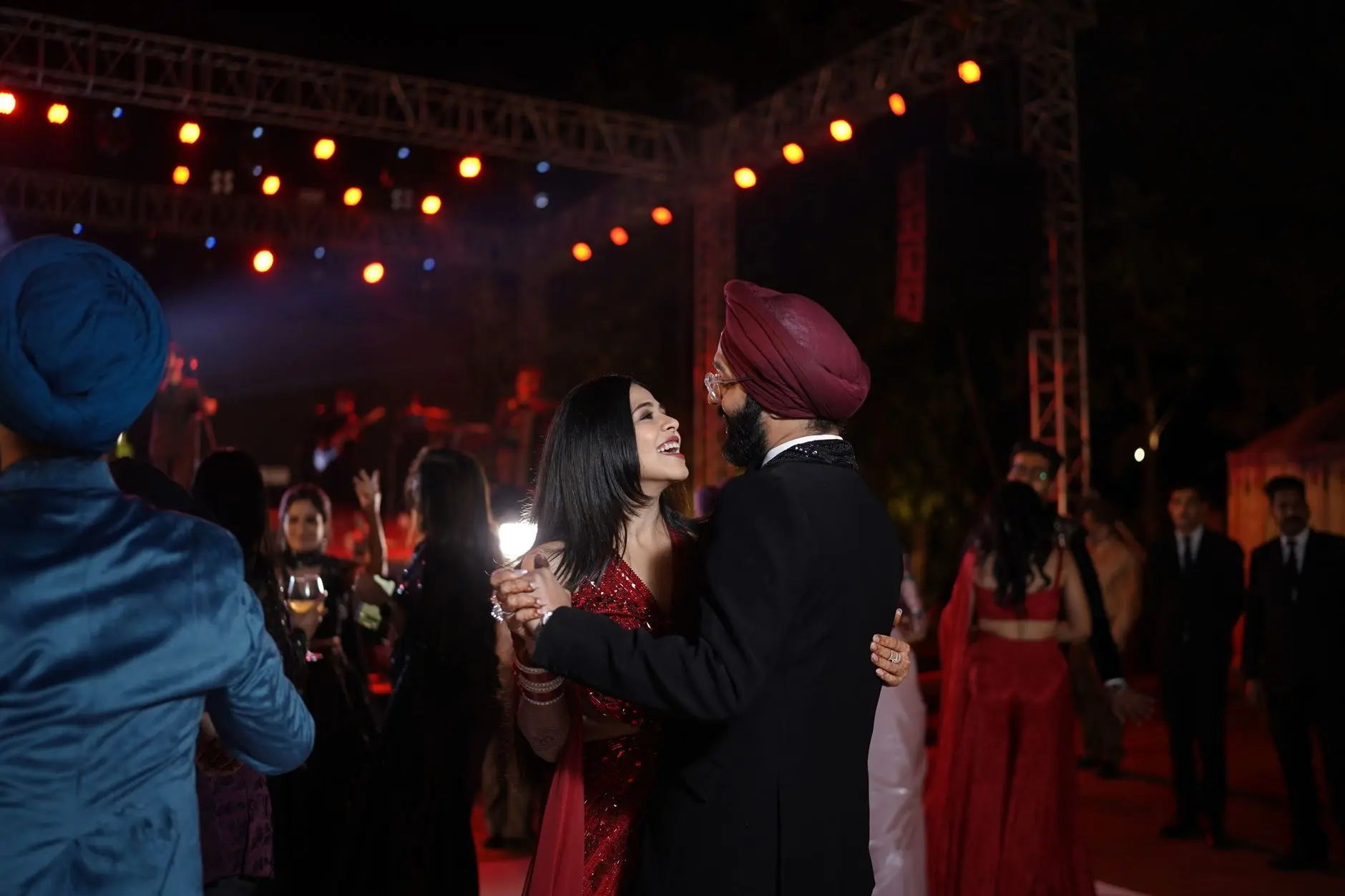
Diwali often falls close to, or on the same day as, Bandi Chhor Divas, a distinct Sikh observance marking the release of the sixth Guru, Guru Hargobind Sahib, from imprisonment, along with 52 Hindu princes he insisted be freed alongside him. Gurdwaras mark Bandi Chhor Divas with special prayers, kirtan, langar (the communal meal), and lights strung across the building. Because the two occasions share a calendar and a shared visual language of lights and sweets, many Punjabi Sikh families in BC describe their household celebration as touching both traditions, even while being clear that the meaning behind Bandi Chhor Divas is its own.
What are the five days of Diwali?
Diwali is a festival of five days, though not every family observes all five with equal weight, and regional variation is real. The general sequence looks like this:
- Dhanteras: the first day, associated with wealth and new beginnings. Families traditionally buy gold, silver or new kitchenware, and light the first diyas of the season near the entrance.
- Naraka Chaturdashi (Choti Diwali): the second day, sometimes called small Diwali. Homes get a final deep clean, and in South Indian households this is the day linked to Krishna's victory over Narakasura, marked with an early oil bath and new clothes.
- Diwali (Lakshmi Puja): the main event. Homes are lit fully, rangoli is laid at the entrance, and many Hindu families perform Lakshmi Puja in the evening, followed by sweets, family visits and, where local bylaws and weather allow, fireworks.
- Govardhan Puja (Annakut): the fourth day, particularly significant to Krishna-worshipping communities, marking the day Krishna lifted Govardhan Hill to shelter villagers, honoured with a large spread of vegetarian dishes.
- Bhai Dooj: the closing day, celebrating the bond between brothers and sisters, similar in spirit to Raksha Bandhan, with sisters performing a small ritual for their brothers' wellbeing.
Because November days in BC are short and cold, most households compress the visible, decor-heavy part of the celebration into the main Diwali evening and the weekend closest to it, even when the puja calendar itself spans the full five days.
How do families in BC style a home for Diwali?
The décor choices for a home Diwali follow a pattern that shows up across regions and denominations, even when the underlying meaning differs: light at every entrance, a welcoming threshold, and a puja or gathering space that feels warm and full.
Diyas and lighting
Traditional diyas are small clay oil lamps, though many BC households now mix in LED tealights and battery votives, both for safety around children and pets and because open flame outdoors in a Fraser Valley or Okanagan November wind is a genuine hazard. Lines of diyas along a windowsill, front step or balcony railing are the most recognizable Diwali image, and pairing them with warm-white string lights along a fence or doorway extends that glow into the yard. Condo and townhouse families in Vancouver, Surrey and Burnaby often check strata rules on exterior lighting and balcony flame before deciding between real diyas and flameless versions.
Rangoli
Rangoli is a floor design made at the entrance to welcome guests and, for many Hindu families, to welcome Lakshmi into the home. Traditional materials include coloured rice flour, dry pigment powder, flower petals and rice grains, arranged in geometric or floral patterns, sometimes freehand and sometimes with a stencil. Because BC entryways are frequently wet or slushy in early November, many households now lay rangoli on a mat or tray just inside the door, or use a reusable rangoli stencil with washable colour so weather does not undo hours of work.
Marigolds and garlands
Marigold garlands (toran) are the traditional flower of Diwali across most of India, strung over doorways and around puja spaces. Fresh marigolds are difficult to source in BC in November, so many families use silk or faux marigold garlands, sometimes mixed with real greenery, to get the same colour and shape without depending on a fresh flower delivery two weeks before the peak wedding and event season winds down for winter.
The puja and gathering corner
Whether a household keeps a dedicated mandir (small home shrine) or sets up a temporary puja table for the evening, the styling is similar: a clean cloth, a small idol or image of Lakshmi and Ganesh, fresh or faux flowers, a plate of sweets and fruit, and a cluster of lit diyas at the centre. Around it, families often add a low table or plinth so the display sits at a height that is easy to see and easy to photograph when relatives visit through the evening.
How is a rented hall styled for a Diwali gathering?
Many communities in Metro Vancouver, the Fraser Valley and the Okanagan hold larger Diwali melas, cultural programs or banquet-style gatherings in a rented hall rather than, or in addition to, a home celebration. A hall gathering usually needs to solve three problems a house does not: a stage or focal wall for a cultural program, enough lit surface area to read as festive in a large room, and a food service area that can handle a crowd.
A common layout puts a lit backdrop or stage wall at the front for performances, speeches or a photo area, marigold and light styling around the entrance so guests feel the shift from parking lot to celebration the moment they walk in, and long tables dressed with warm-toned linens and clustered candle holders down the centre. Sweets and snack tables tend to sit along one wall with risers to create height and visual interest, and a dedicated dessert or mithai station benefits from clear signage so guests can find it without asking. Gurdwara halls hosting a Bandi Chhor Divas program follow a similar shape, with the addition of langar service and seating that accommodates the communal meal.
What do people wear and eat during Diwali?
New clothes are part of the occasion for most communities, worn from Dhanteras or Choti Diwali onward. Women often wear sarees, lehengas or Punjabi suits in rich jewel tones, gold and reds especially common, while men wear kurta pyjama or a sherwani for the main evening. Children are usually dressed in smaller versions of the same festive wear, and it is common for extended families to coordinate colour palettes for photos taken around the lit entryway or puja table.
Food centres on mithai, an extensive category of milk- and sugar-based sweets such as ladoo, barfi and kaju katli, exchanged in boxes between neighbours, coworkers and extended family in the days leading up to Diwali. Savoury snacks (namkeen) round out the spread, and Govardhan Puja in particular is marked by a large vegetarian meal (annakut) meant to represent abundance.
Decor and styling for a Diwali celebration
Styling a Diwali evening in BC works best with warm, low light spread across many small points, since that layered glow is what people associate with the festival. Strings of bulbs, clusters of candles and a lit doorway all build that effect more effectively than one large overhead fixture, which flattens the room instead of warming it. A few rental pieces do a lot of that work in a hall setting or a large home gathering.
The Luxury Three Panel Backdrop with Working Lamps gives a hall or great room an instant lit focal point, standing roughly eight feet tall with integrated working lamps that cast warm ambient light, well suited to a stage area, a puja display, or a photo corner where relatives gather through the evening. For the diya-style glow along tables, Amber Rippled Tealight Candle Holders hold the warm gold tone people expect from Diwali lighting, and their rippled glass texture reads well against a dark tablecloth. The Elegant Amber Mini Glass Bud Vases come in a set of vintage-inspired amber glass with assorted shapes, useful for scattering marigold-toned faux stems or floating candles down a long table.
Where an open flame is not practical, whether that is a strata building, a rented hall with fire restrictions, or simply a windy Okanagan patio, the Gold LED Table Lamps give a soft, rechargeable glow with touch controls, and the Luxe Cordless LED Table Lamp offers the same flameless warmth for tented or outdoor setups. On the table itself, an Elegant Brown Velvet Table Runner adds the kind of rich, warm texture that catches candlelight well and suits the reds, golds and browns most families reach for at Diwali. Along an entrance path or gathering area, the White Boho Lantern can hold a candle or LED insert and lines beautifully along a walkway or clustered on a reception table.
OWC Events, based in Fort Langley and delivering across Metro Vancouver, the Fraser Valley and the Okanagan, carries these and related pieces for families building out a Diwali evening at home or in a rented hall. For more ideas on pulling a tablescape together, the tablescape guide covers layering candles, runners and centrepieces in more depth, and browsing the full collection is the fastest way to see everything available for the season.
Families planning a Bandi Chhor Divas program alongside Diwali may also find the Anand Karaj guide useful background on Sikh ceremonial custom more broadly, and households juggling more than one cultural tradition under one roof can look at the cross-cultural styling guide for how other BC families blend décor languages without either side feeling like an afterthought.
Frequently Asked Questions
When is Diwali in 2026?
Diwali falls on November 8, 2026. The exact date shifts each year because it follows the lunar Hindu calendar, typically landing between mid-October and mid-November on the Gregorian calendar.
Is Diwali only a Hindu festival?
No single description covers every community that marks this period. Diwali is central to Hindu and Jain observance, and it coincides closely with Bandi Chhor Divas, a distinct and separate Sikh commemoration with its own history and meaning.
Can I light real diyas indoors in a BC condo or rental hall?
Many strata buildings and rented halls restrict open flame, so check building rules or venue policy before planning real oil lamps. LED tealights and flameless lanterns give a similar warm glow without the fire risk or smoke concern.
What colours are traditional for Diwali decor?
Gold, deep red, marigold orange and warm amber tones dominate most Diwali styling, reflecting both the marigold flower and the lit-lamp aesthetic of the festival. Families add their own regional or personal touches, from South Indian kolam patterns in white rice flour to Punjabi households favouring brighter jewel tones.
How far in advance should a family clean and decorate for Diwali?
Most households begin deep cleaning around Dhanteras or Choti Diwali, two days before the main event, and finish lighting and rangoli on the day of Lakshmi Puja itself. For a larger hall gathering, booking rentals and confirming a program a few weeks ahead gives enough runway for delivery and setup.
Do gifts get exchanged at Diwali?
Yes, boxes of mithai (sweets) are the most common gift exchanged between family, friends, neighbours and coworkers in the days around Diwali, alongside small gifts of clothing, gold or household items depending on the family.